The Soft Refusal of a Hard Promise:
On the Limits of Computation and the Desire to Relate Otherwise.
At its core, this body of work explores the contradictions embedded in contemporary technologies, the way they promise progress, connection, and efficiency, while often delivering control, abstraction, and disposability. These works are a response to what I see as false promises: the persistent myth that technological systems are neutral, inevitable, or somehow outside of culture and politics.
Rather than rejecting technology outright, this body of work performs what I call a “soft refusal.” That is, a quiet resistance, not loud or oppositional, but deliberate and subversive. It’s a refusal of speed, legibility, utility, and seamlessness. These works use slowness, glitch, repetition, and poetry to interfere with the dominant aesthetics of computation. Each piece enacts this refusal in a different way.
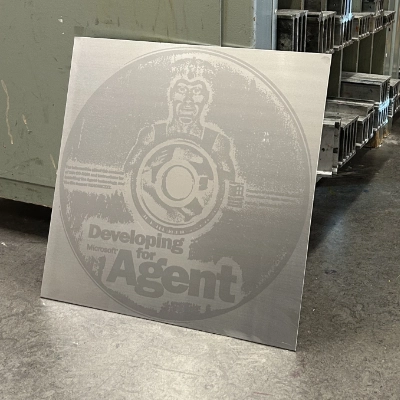
Genie; Compact Disc Read-Only Memory
Tech’s favorite trick is dressing up machinery in metaphor—magic, spirits, clouds—to obscure its origins and mask its intentions. Genie exposes how these supernatural framings break the promise of transparency, turning complex, human-made systems into decontextualised wonders. The mystical language sells enchantment, but hides politics, labor, and control.
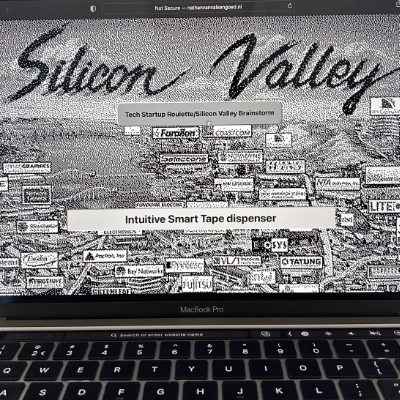
Silicon Valley Brainstorm
The obsession with “smart” everything—fridges, lightbulbs, toothbrushes—isn’t about need; it’s about novelty. Silicon Valley Brainstorm critiques the broken promise of intelligent design, revealing a culture where smartness is more brand than benefit. This is tech not as tool, but as spectacle: more circuitry, less sense.
111 Lines
An obsolete printer hums with new purpose, exhaling fragments of poetry—111 lines, shuffled and reprinted without end. 111 Lines revives the discarded not for function, but for folly. Once built for output, the machine now stutters into lyric, mocking the promise of progress with every printed sigh. Obsolescence becomes verse. Mechanism becomes muse.
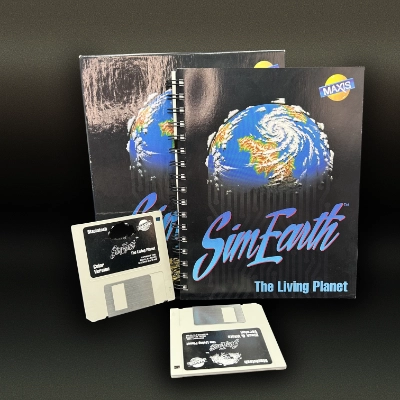
SimEarth (In Silica)
SimEarth offers the fantasy of total control—of shaping a planet like a god with a UI. But this power is hollow. The game reduces Earth’s complexity to sliders and stats, promising understanding while delivering simulation. SimEarth exposes a broken promise of omniscience, where control replaces care, and ecosystems become code.
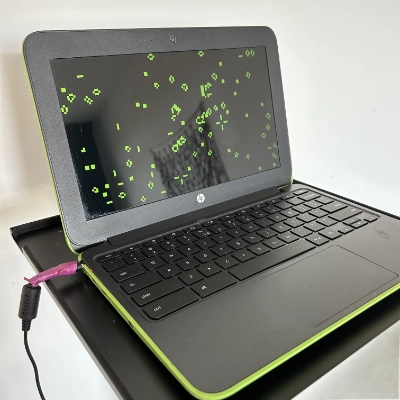
Resurrected Chromebook
Designed to die young, the Chromebook is a casualty of planned obsolescence—where function ends, not through failure, but corporate design. Resurrected Chromebook, revived with Conway’s Game of Life, challenges the throwaway logic of tech. It asks: what possibilities emerge when we reject the promise that progress means replacement?
The Law of the Instrument
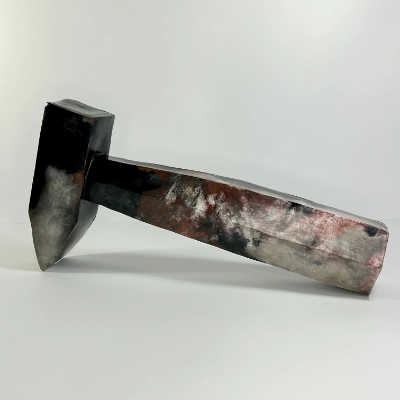
“If all you have is a hammer, everything looks like a nail.” In tech, every solution starts with a product—whether it fits or not. The Law of the Instrument speaks to the broken promise of problem-solving: when innovation becomes a default answer, real needs get flattened, ignored, or misunderstood. The tool leads, not the need.
Cloud Computing
The cloud promises storage without substance—weightless, seamless, endless. But behind the metaphor lies a heavy infrastructure. Cloud Computing reveals the broken promise of immateriality. The only thing truly vaporous about the cloud may be the constantly evaporating water used to stop it from overheating.
The Same Old Shit Behind New Glass
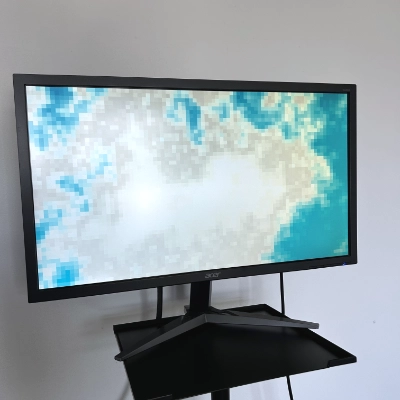
Every year: a new phone, a new promise—better, faster, revolutionary. But beneath the surface it’s the same black mirror, rebranded. The Same Old Shit Behind New Glass calls out the ritual of empty upgrades, where novelty masks stasis. The promise of progress? Broken by design.
Glitch Monastery
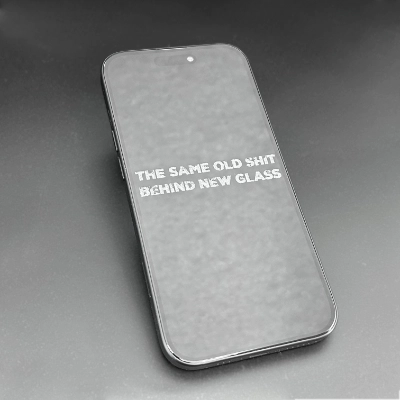
In Glitch Monastery, machines resist speed. A single file loads pixel by pixel, each fragment unfolding at its own pace. Nothing hurries. Visitors are invited to waste time, deliberately. This is slowness as sabotage, inefficiency as intimacy. Against the cult of frictionless tech, the work proposes a slower ritual: glitch as prayer, lag as resistance.
get in touch:
hi@nathanvanvalkengoed.nl